The Mariannenplatz was blue, so many cops were there, and Mensch Meier was in tears, probably caused by the tear gas. Und he asked someone: "Say, is this a party going on here?" - "Sort of", one said "they are squatting the Bethanien."
roughly translated lyrics of the 'Rauch-Haus-Song' by Ton Steine Scherben, 1972
The Mariannenplatz is a big park-like square near the northern edge of the district Kreuzberg. The most famous address at the place would be the 'Künstlerhaus Bethanien', a former hospital, later squat, that now houses many social and cultural projects.
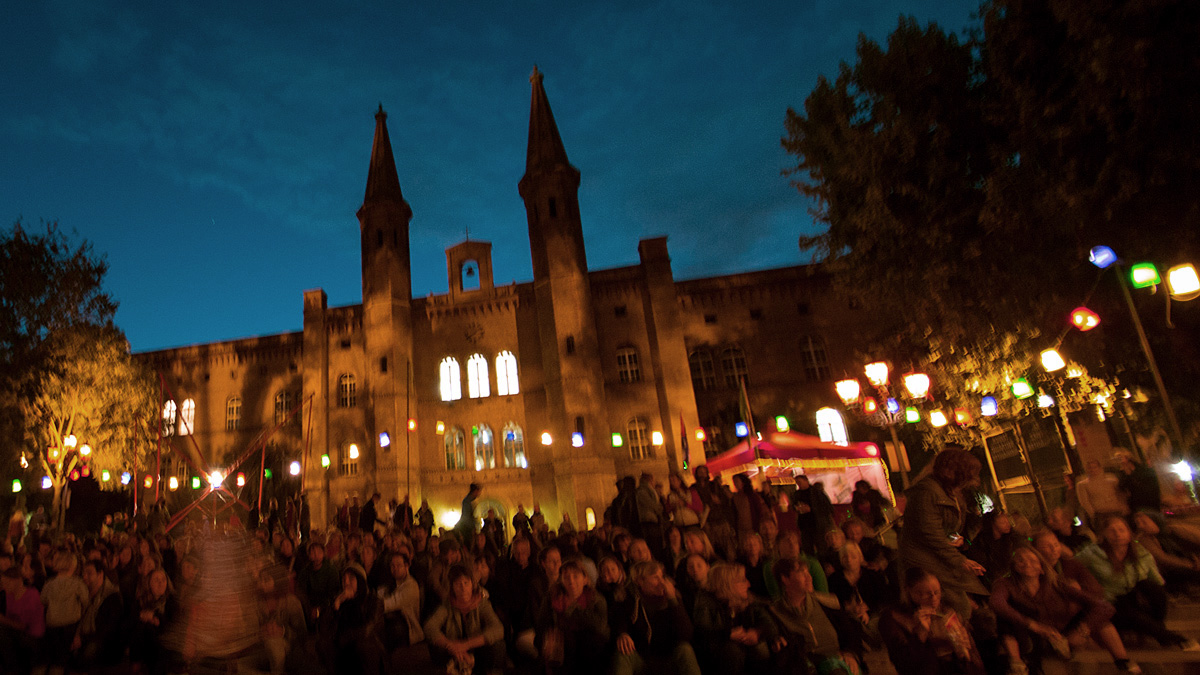
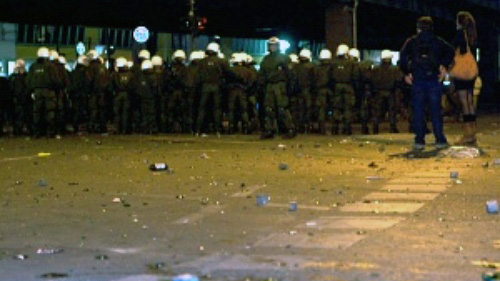
Recently the Mariannenplatz was known for being the center of heavy May Day riots that were successfully restrained by a huge family festival (the 'Myfest'), organized by a pool of local groups.
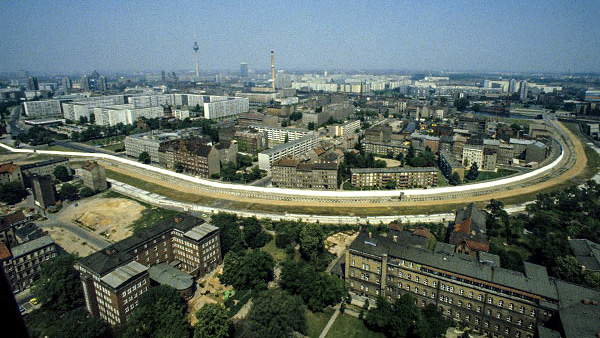
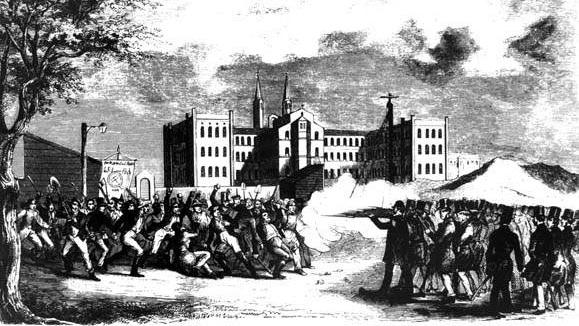
The riots in this area have a long history, though - it all dates back to the 1848 revolutions where many workers were shot in a riot. From 1961 to 1989 the Mariannenplatz directly adjoined the Berlin Wall. This has always been a place where strong conflicts became manifest.
Fortunately, the positive spirit has won. 🙂
The very first (successful) squattingin Berlin took place at the Mariannenplatz in 1971.
In this documentary you can get an idea of the movement and why this was the beginning of a new epoch:
The West-Berlin kids started to develop a new self-esteem - soon inspiring the youths in the whole country.
The movement that started here soon grew some kind of influence even on the youths of the GDR who sat behind a concrete wall. After the fall of the wall the 'squatting culture' significantly shaped the face, art and culture of the new, re-united Berlin.
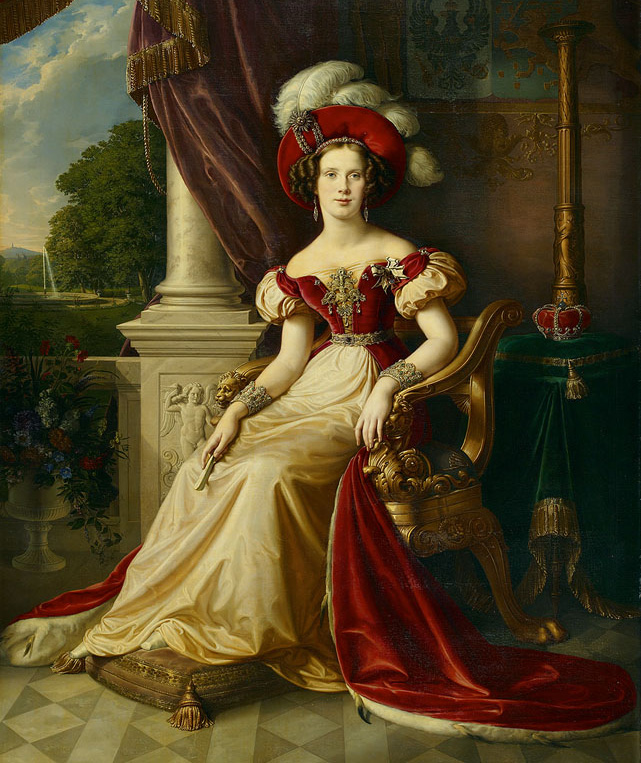
But the notorious 'obstinate' attitude that seems to radiate from this place and is still graspable may have it's origins a lot earlier in history. The square was named after Princess Marianne of Orange-Nassau, who reportedly was much more self-confident and unusually progressive than women were allowed to be in her time. She left her unfaithful husband to elope with her coachman - a slap in the male-dominated prussian face. 😛
Then she bought a castle, made it a museum and a cultural center and supported local artist. Marianne and the squatters obviously were inspired by very similar spirits! She was banned from here homeland Prussia.
The Mariannenplatz has a turbulent and sympathetic history. What is YOUR history with this place?
>>Please comment!